Affordable Aluminium Sliding Doors for Large Openings
Advanced Sliding Door Designs for Small Spaces: Make the Most of Your Space
Creative sliding door options provide significant benefits for making the most of limited spaces. By removing the requirement for door swing space, these doors provide seamless passages between rooms. Selections including pocket doors and bypass doors optimize spatial use while incorporating materials like glass increases natural light and openness. As urban living spaces continue to shrink, understanding the various types and features available becomes essential for effective design. What specific solutions can transform a compact area into a functional haven?
The Perks of Sliding Doors for Small Spaces
Sliding doors deliver a range of advantages specifically designed for small spaces. Their design allows for smooth transitions between living areas without the necessity of supplementary floor space for door swings. This quality is especially valuable in tight spaces where maximizing space is essential. Furthermore, sliding doors can enhance natural light flow, generating the appearance of a more expansive environment.
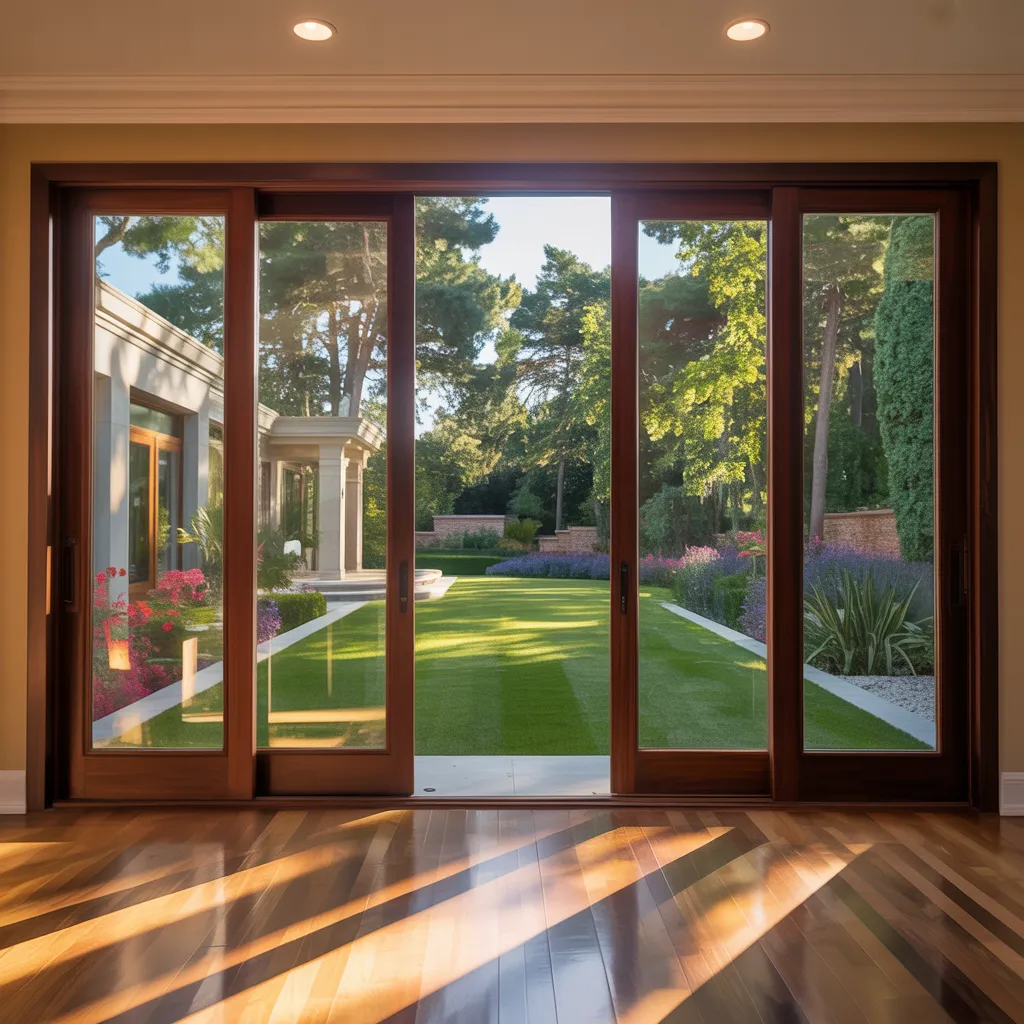
Numerous sliding door designs feature glass panels, which not only illuminate living spaces but also encourage visual continuity between the indoors and outdoors. In addition, sliding doors can be tailored to match various design preferences, permitting homeowners to maintain their unique style while making the most of space.
Moreover, they are frequently fitted with compact hardware that eliminates unnecessary clutter, significantly increasing the room's overall usability. All things considered, sliding doors represent an practical option for compact spaces, blending functionality with modern aesthetics to optimize both usability and visual appeal.
Choosing the Right Type of Sliding Door
When selecting the ideal sliding door option for a compact space, there are several factors to keep in mind. First, the door's size and configuration are essential. A pocket sliding door, which retracts into the wall, can maximize floor space and improve accessibility. Alternatively, bypass doors glide beside each other, making them ideal for more narrow openings.
Moreover, the appearance of the door should enhance the room's visual appeal. Choices span from classic to modern styles, giving homeowners the ability to coordinate the door with their home's style. Moreover, functionality plays a role; many doors come equipped with superior insulation or acoustic properties, pertinent information offering significant value in versatile living spaces.
Finally, the simplicity of installation and upkeep is a key consideration. Property owners should assess whether professional installation is needed and what level of upkeep the door will entail. By carefully considering these elements, homeowners can select a sliding door that optimizes both space and aesthetics.
Current Materials Used in Sliding Doors
The selection of materials greatly impacts the functionality and aesthetic appeal of today's sliding doors. Available options encompass glass, wood, metal, and composite materials, each providing distinct advantages. Glass sliding doors, as an example, enhance natural light and create a sense of openness, making them ideal for small spaces. These doors can be framed using aluminum or wood for improved durability and visual appeal.
Hardwood provides warmth and is available in numerous stains and finishes, offering a classic aesthetic that suits classic interior designs. Metal doors, often made of aluminum or steel, deliver strength and security while retaining a polished, modern aesthetic.
Blended materials combine the finest qualities of natural wood and synthetic alternatives, offering durability against moisture and structural warping. This range empowers homeowners and designers to select sliding doors that match their specific needs and aesthetic preferences, successfully enhancing space efficiency and visual appeal in space-conscious residential settings.
Useful Space-Saving Ideas With Sliding Doors
A well-placed sliding door can significantly improve the practicality of small spaces. By doing away with the need for swing space, sliding doors free up more floor space, making them ideal for small spaces. Selecting a pocket sliding door can additionally maximize space, as it tucks away into the wall when opened, keeping floor space clear.
Adding mirrored sliding doors can also give the illusion of a larger area while offering practical storage solutions. For narrow hallways or entryways, a barn-style sliding door can add charm without compromising room dimensions.
To enhance flexibility, consider versatile sliding door solutions that separate living areas while accommodating an open floor plan when required. Moreover, using lighter-weight materials can simplify door movement, guaranteeing seamless transitions. These actionable suggestions can convert compact areas into practical, attractive spaces, demonstrating that great design can thrive in smaller areas.
Advanced Features for Privacy and Natural Light
In what ways can smart technology improve privacy while still permitting natural light to pass through sliding doors? Contemporary sliding doors featuring smart technology provide creative approaches to accomplishing both goals. Glass panels may include variable opacity settings, enabling users to transition from clear to frosted with a simple button press. This feature confirms that natural light fills the room while upholding privacy whenever necessary.
Moreover, intelligent window solutions, such as automated blinds or shades, can be set up to open or close based on the occupancy or daylight hours, providing flexibility and convenience. Sensors can detect ambient light levels, modifying the opacity or shading to enhance both privacy and natural light. Furthermore, compatibility with home automation platforms enables homeowners to manage these features remotely, improving security and comfort. Such advancements not only optimize the functionality of smaller spaces but also promote a harmonious balance of illumination and seclusion.
Sliding Door Care and Installation Guidelines
Successful installation and maintenance of sliding doors can greatly enhance their longevity and functionality. Proper installation begins with accurate measurements to guarantee a snug fit within the frame. It is important to balance the track and carefully fasten it, which eliminates future performance complications. Regularly checking and cleaning the tracks is essential; dirt and debris can hinder movement. Applying silicone spray to the rollers and tracks assists in preserving seamless functionality.
When it comes to upkeep, checking the door seals on a routine basis can keep drafts and moisture at bay. Furthermore, handling any scratches or dents promptly keeps the door looking its best. If the door becomes misaligned, readjusting the rollers may resolve the issue. Residents should additionally inspect the locking mechanisms to ensure security is not compromised. By adhering to these installation and upkeep guidelines, homeowners can extend the performance and durability of their sliding doors, making them a valuable addition to small spaces.

Commonly Asked Questions
Are Sliding Doors Able to Enhance Home Energy Efficiency?
Sliding doors have the potential to boost home energy efficiency by providing better insulation and reducing air leakage. High-quality sliding doors, fitted with energy-saving glass, help maintain interior temperatures, ultimately lowering heating and cooling costs for homeowners.
Are Sliding Doors Safe for Children and Pets?
Sliding doors may present safety hazards for kids and animals owing to their glass design and the risk of accidental operation. However, safety features like tempered glass and secure locks can mitigate these risks effectively.
What Is the Best Way to Clean Sliding Door Tracks?
To clean the tracks of sliding doors effectively, one should first removing debris using a vacuum or brush, followed by utilize soapy water and a cloth to wipe down the track channels. Thoroughly rinse and dry to prevent future buildup.
What Is the Standard Lifespan of a Sliding Door?
The typical lifespan of a sliding door typically ranges from 20 to 30 years. Factors influencing durability include material quality, maintenance, and environmental conditions, all of which have a considerable impact on the door's overall lifespan.